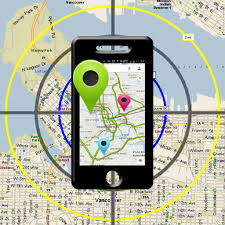
In today’s digital world, staying connected and ensuring safety has become more important than ever. One tool that has transformed the way people manage personal security, monitor loved ones, and even improve business operations is the location tracker app. From parents wanting to know where their children are, to companies monitoring delivery vehicles, to individuals keeping track of lost devices—location tracker apps have become a vital part of daily life.
This article explores everything you need to know about location tracker apps: their features, benefits, use cases, privacy concerns, and future trends.
What is a Location Tracker App?
A location tracker app is a mobile or web-based application that uses GPS (Global Positioning System), Wi-Fi signals, and cell towers to determine and share the real-time geographical location of a device or person. These apps are designed to provide accurate, up-to-date tracking information, often with additional features such as geofencing, movement history, and emergency alerts.
The core purpose of such apps is safety, connectivity, and efficiency—helping people locate and monitor individuals, assets, or vehicles conveniently.
How Location Tracker Apps Work
Location tracker apps rely on advanced technologies to pinpoint positions on the map. The main systems used include:
-
GPS Tracking – Uses satellites to determine exact location. This is the most common and accurate method.
-
Cell Tower Triangulation – If GPS signals are weak (like indoors), apps use nearby mobile towers to estimate location.
-
Wi-Fi Positioning – Connects to Wi-Fi networks and maps the device’s position through network databases.
-
Bluetooth Beacons – Used in indoor tracking for higher precision, such as in malls, airports, or warehouses.
Most apps combine these technologies to provide the most accurate and consistent results.
Key Features of Location Tracker Apps
Modern location tracker apps come with a wide range of features that make them versatile and user-friendly. Some of the most popular features include:
1. Real-Time Location Sharing
Allows users to share their current location with family, friends, or employers, making it easier to stay connected and safe.
2. Geofencing
Enables users to set virtual boundaries on the map. When the person or device enters or exits the defined area, the app sends a notification. This is widely used by parents and businesses.
3. Location History
Stores past routes and places visited, allowing users to review movements for the day, week, or month.
4. SOS or Panic Button
A quick emergency feature that shares the user’s live location with trusted contacts in case of danger.
5. Multi-Device Support
Many apps allow tracking of multiple devices simultaneously—helpful for families and businesses managing fleets.
6. Battery-Friendly Operation
Modern apps are optimized to consume less power, ensuring they don’t drain phone batteries quickly.
7. Cross-Platform Access
Users can track from smartphones, tablets, or even web browsers, offering convenience anytime, anywhere.
Benefits of Location Tracker Apps
The popularity of location tracker apps stems from the wide variety of benefits they offer. Let’s break them down:
1. Family Safety
Parents can keep track of their children’s whereabouts, ensuring they arrive safely at school or return home without issues.
2. Business Efficiency
Companies with delivery services, logistics, or fieldwork use these apps to monitor vehicles, improve route efficiency, and reduce fuel costs.
3. Emergency Response
In times of accidents or emergencies, sharing live location helps responders reach faster.
4. Preventing Theft
Lost or stolen devices can be tracked and recovered with the help of tracking apps.
5. Social Connectivity
Friends can share live locations when meeting up, ensuring they find each other without hassle.
6. Travel Assistance
Travelers can share real-time updates with loved ones, making journeys safer and more transparent.
Popular Use Cases of Location Tracker Apps
To understand the value of these apps, let’s look at some real-world use cases:
-
Parental Control Apps – Parents use apps like Life360 or Find My Kids to ensure their children’s safety.
-
Workforce Management – Businesses use tools like GpsGate or Fleet Complete to track employees and vehicles.
-
Elderly Care – Families use tracking apps for elderly relatives, especially those with health conditions like dementia.
-
Logistics & Delivery Services – Companies like Uber, FedEx, and Amazon rely heavily on location tracking to manage drivers and deliveries.
-
Travel & Adventure – Hikers, bikers, and travelers use GPS apps to track routes and share progress with others.
Privacy and Security Concerns
While location tracker apps bring many benefits, they also raise important privacy concerns:
-
Unauthorized Tracking – If misused, these apps could be installed secretly on someone’s device, violating their privacy.
-
Data Leaks – Poorly secured apps may expose user location data to hackers.
-
Over-Monitoring – Constant tracking can create trust issues in relationships or workplaces.
To protect users, reliable apps provide features such as encrypted data transmission, consent-based tracking, and strict privacy policies.
Choosing the Right Location Tracker App
With so many apps available, here are some factors to consider before choosing one:
-
Accuracy – The app should provide precise real-time location data.
-
Ease of Use – A user-friendly interface ensures everyone can use it, even children or elderly users.
-
Security Features – End-to-end encryption and two-factor authentication keep your data safe.
-
Cross-Platform Compatibility – Check if it works on both Android and iOS.
-
Cost – Many apps are free with premium upgrades. Evaluate if paid features are worth it.
Free vs Paid Location Tracker Apps
-
Free Apps (e.g., Google Maps, Find My iPhone): Offer basic tracking features but may show ads or lack advanced tools.
-
Paid Apps (e.g., Life360 Premium, FlexiSPY, Glympse Pro): Provide advanced features like geofencing, history reports, and customer support.
For personal use, free apps may suffice. For business or advanced family tracking, premium apps are more suitable.
CLICK HERE TO OPEN
Ethical Use of Location Tracker Apps
It’s important to use these apps responsibly. Some guidelines include:
-
Always inform and get consent from the person being tracked.
-
Use tracking for safety and efficiency, not for spying or controlling.
-
Ensure data is not shared with unauthorized third parties.
Following ethical practices ensures that location tracking remains a helpful tool rather than a violation of privacy.
Future of Location Tracking Technology
The future of location tracker apps looks promising, with advancements in:
-
AI and Predictive Tracking – Apps may predict movement patterns and suggest safer routes.
-
5G Technology – Faster networks will improve accuracy and reduce delays in real-time tracking.
-
Integration with Smart Devices – Smartwatches, wearables, and IoT devices will make tracking even more seamless.
-
Indoor Tracking – With better Wi-Fi and Bluetooth beacon systems, tracking will be accurate even inside large buildings.
-
Privacy-First Models – Developers will continue to focus on stricter privacy protections to build trust with users.
Conclusion
A location tracker app is more than just a digital tool—it’s a bridge between safety, efficiency, and connectivity. Whether it’s helping parents ensure their children’s safety, businesses optimize operations, or individuals recover lost devices, location tracking has become a crucial part of modern life.
However, with great power comes responsibility. While using these apps, users must remain aware of privacy concerns and ethical guidelines. When used wisely, location tracker apps can truly enhance security, improve relationships, and make our daily lives easier.
As technology evolves, we can expect even smarter, safer, and more accurate tracking systems—making the future of digital safety brighter than ever.